
Article Summary
- Home staging colors influence buyer perception, first impressions, and overall home appeal
- Neutral tones and cohesive palettes help homes feel larger, brighter, and move-in ready
- Avoid bold or highly personalized colors that limit buyer interest
- Strategic color choices enhance both in-person showings and listing photos
- Professional staging helps maximize value and supports faster, more profitable home sales
Introduction
When buyers walk into a home, their first impression happens almost instantly. Before they notice square footage or layout, they notice how the space feels. Color plays a major role in shaping that feeling. The right choices can make a home feel larger, brighter, and more inviting, while the wrong ones can limit buyer interest. Choosing the right home staging colors is not about personal style. It is about creating a space that appeals to the widest audience and supports a faster, more profitable sale.
The Psychology Behind Color in Home Staging
Color influences how buyers perceive a home and how they respond to it emotionally. Soft, neutral tones tend to create a sense of calm and openness, which helps buyers imagine themselves living in the space. On the other hand, bold or highly personalized colors can distract from the home’s features.
Color psychology plays a key role in staging decisions, helping create environments that feel welcoming and cohesive. Real estate insights also show that certain paint colors can decrease buyer appeal and contribute to weaker offers by presenting a home as dark and cramped.
Home Staging Colors That Consistently Perform Well
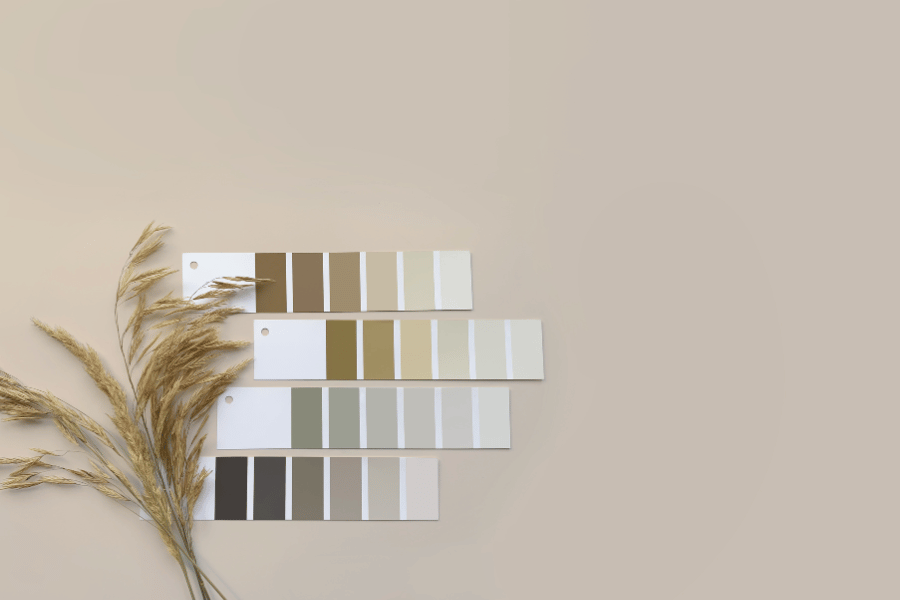
The most effective home staging colors are those that create a neutral foundation while still adding warmth and character. These colors photograph well, enhance natural light, and create a consistent flow throughout the home.
Top-performing options include:
- Warm neutrals such as beige, greige, and soft taupe
- Cool neutrals like light gray and muted blue-gray
- Crisp whites and soft creams that brighten spaces
- Subtle accent tones such as soft greens and pale blues
These colors allow buyers to focus on the home itself rather than the design choices. A cohesive palette across rooms also helps the home feel larger and more connected.
Colors to Avoid When Staging a Home
While it may be tempting to use bold or trendy colors, these choices can limit buyer appeal. Strong colors often make rooms feel smaller or overly specific to one style.
Common colors to avoid include:
- Dark tones that absorb light
- Bright or overly saturated accent walls
- Highly personalized or trendy color schemes
When staging a home, the goal is to create a neutral canvas that allows buyers to picture their own style in the space. Keeping color choices simple and balanced helps achieve that goal.
How Color Enhances Key Areas of the Home
Different spaces benefit from different color approaches, all designed to support how buyers expect to feel in each room.
- Living areas should feel warm and inviting with neutral tones
- Bedrooms benefit from calming colors that promote relaxation
- Kitchens perform best with clean whites or light neutrals
- Bathrooms often feel more appealing with spa-like tones such as soft blues or whites
These choices not only improve in-person showings but also enhance listing photos, which are often the first point of contact for buyers.
Why Professional Staging Makes a Difference
Selecting the right colors for staging a home involves more than choosing what looks good. It requires understanding buyer psychology, lighting conditions, and how color interacts with the home’s layout.
Professional staging ensures that every detail is intentional. Lowcountry Staging Specialists brings years of experience helping homeowners and agents across Charleston, Mount Pleasant, and surrounding areas prepare homes for the market. Their strategic approach to color and design helps maximize appeal and attract stronger offers.
Color is just one part of a successful strategy. When combined with broader efforts like marketing your home effectively, it becomes a powerful tool for selling.
Strategic choices can also contribute to improving your home’s value before selling, reinforcing the return on investment that staging provides.
Conclusion
The right home staging colors can have a direct impact on how buyers perceive your home and how quickly it sells. Neutral, well-chosen colors create a welcoming environment that appeals to a wide audience and highlights your home’s best features.
If you are preparing to sell in the Charleston area, Lowcountry Staging Specialists can help you make the right decisions with confidence. A strategic approach to staging turns your home into a market-ready space designed to perform.
